Bitter Melon Extract (Fruit)
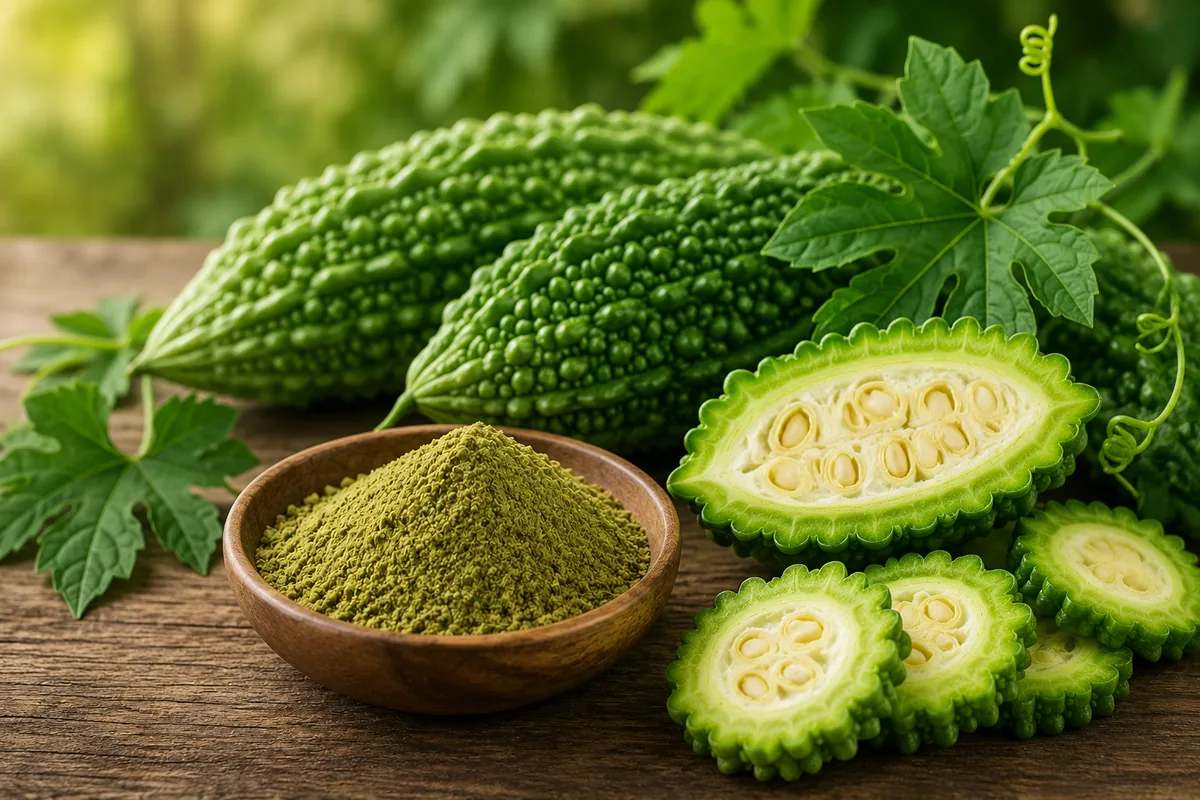
What it is: An extract of
Momordica charantia fruit.
Research context: Studied in glucose- and
metabolic-nutrition settings, but clinical evidence remains
limited and inconsistent.
Important check: May add to the effects of
glucose-lowering medication. The product dose is not
confirmed.
NCCIH evidence and safety overview
Cinnamon (Bark)
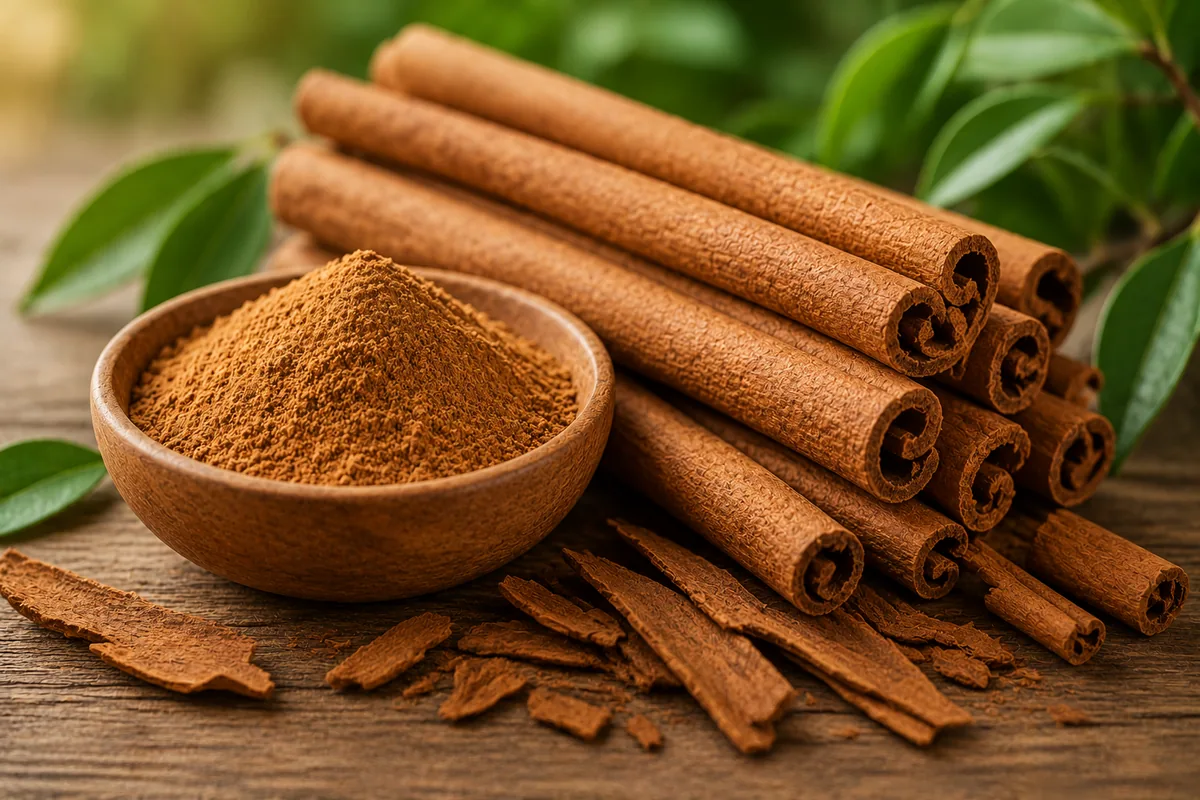
What it is: Cinnamon bark; the species is not
publicly confirmed.
Research context: Studied for metabolic
outcomes, but results vary by species, preparation and dose.
Important check: Cassia cinnamon can contain
coumarin; liver conditions and medication use deserve
professional review.
NCCIH cinnamon overview
Licorice Extract (Root)
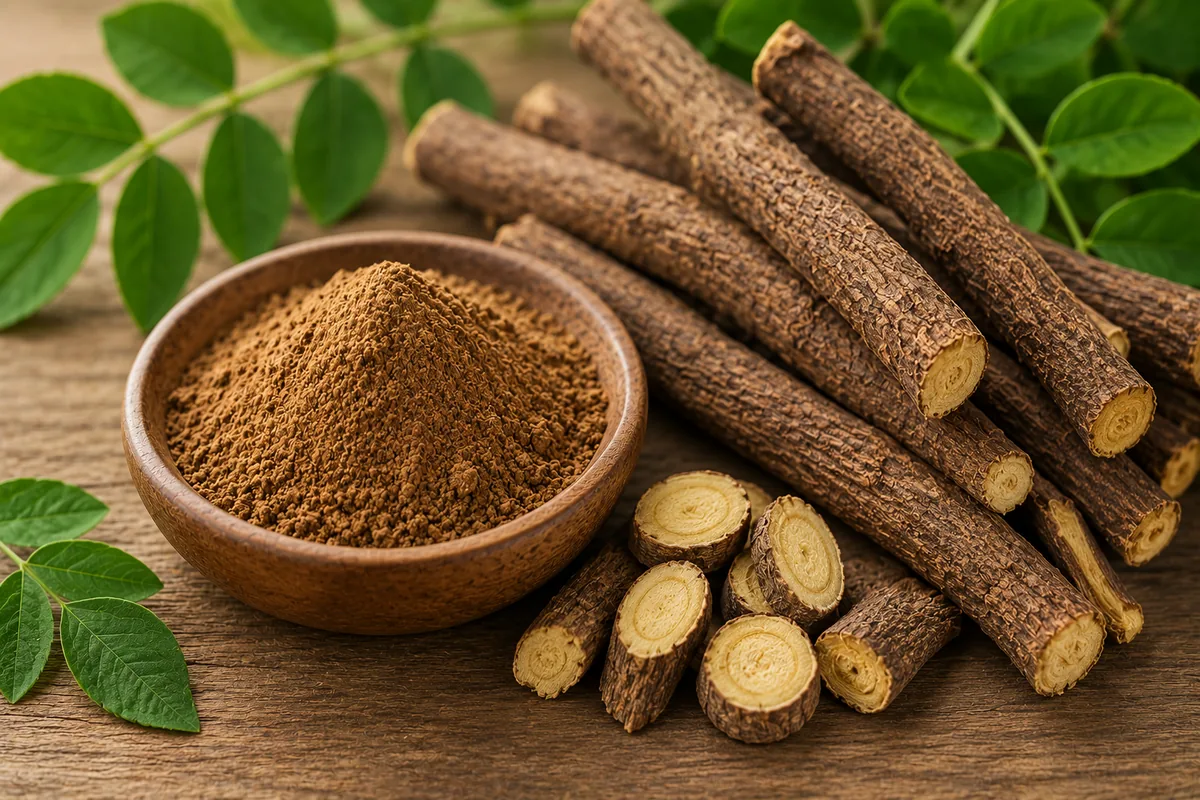
What it is: An extract of licorice root;
glycyrrhizin content is not confirmed.
Research context: A traditional botanical
whose composition materially affects safety.
Important check: Licorice can affect blood
pressure and may be unsuitable with heart or kidney conditions
and some medicines.
NCCIH licorice root overview
Gymnema Sylvestre Powder (Leaf)
What it is: Powder from
Gymnema sylvestre leaves.
Research context: Investigated in
glucose-metabolism research; study preparations cannot be
assumed to match this formula.
Important check: Potential additive effects
with diabetes medication have been discussed in safety
literature.
EFSA-linked Gymnema safety assessment
Banaba Extract (Leaf)
What it is: Leaf extract from
Lagerstroemia speciosa.
Research context: Banaba and corosolic acid
have been studied in metabolic contexts.
Important check: The extract ratio,
corosolic-acid standardization and amount in ColestZen are not
publicly confirmed.
PubMed review of banaba evidence and safety
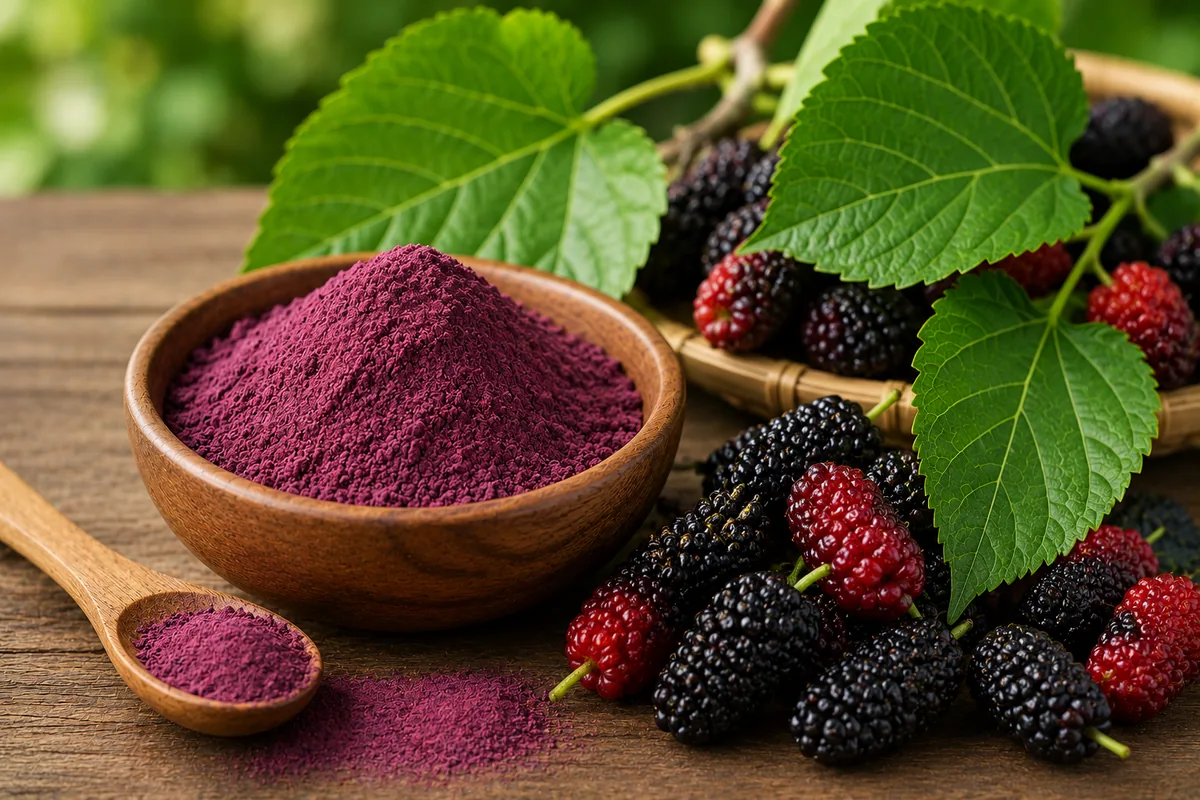
Mulberry Fruit Powder
What it is: Powder identified as mulberry
fruit, not mulberry leaf.
Research context: Fruit contains plant
compounds studied in antioxidant and nutrition research.
Important check: Leaf-specific studies should
not be used as proof for fruit powder or the finished formula.
PubMed fruit-specific literature search
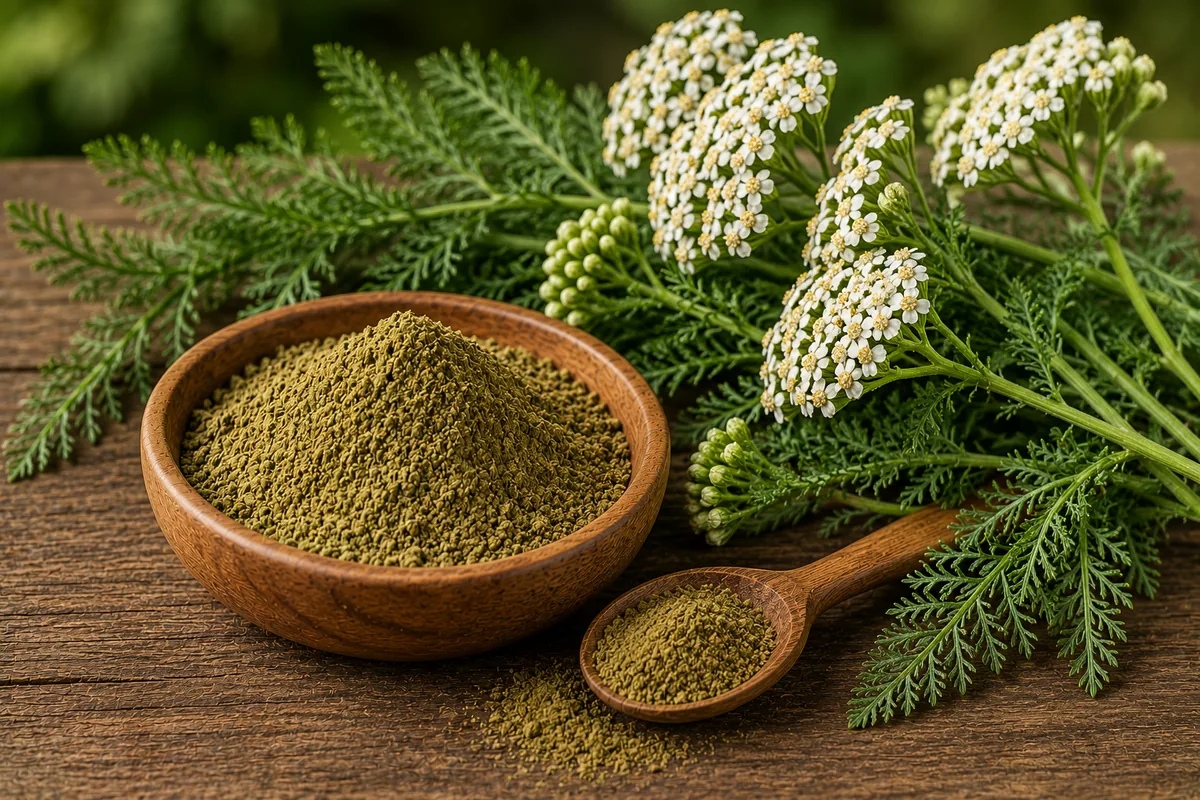
Yarrow Herb Powder (Whole Herb)
What it is: Whole-herb powder from a
traditional botanical.
Research context: Human evidence for the
marketed cardiovascular or metabolic outcomes is limited.
Important check: Plant-family allergies,
pregnancy and medication use warrant professional guidance.
PubMed yarrow literature search
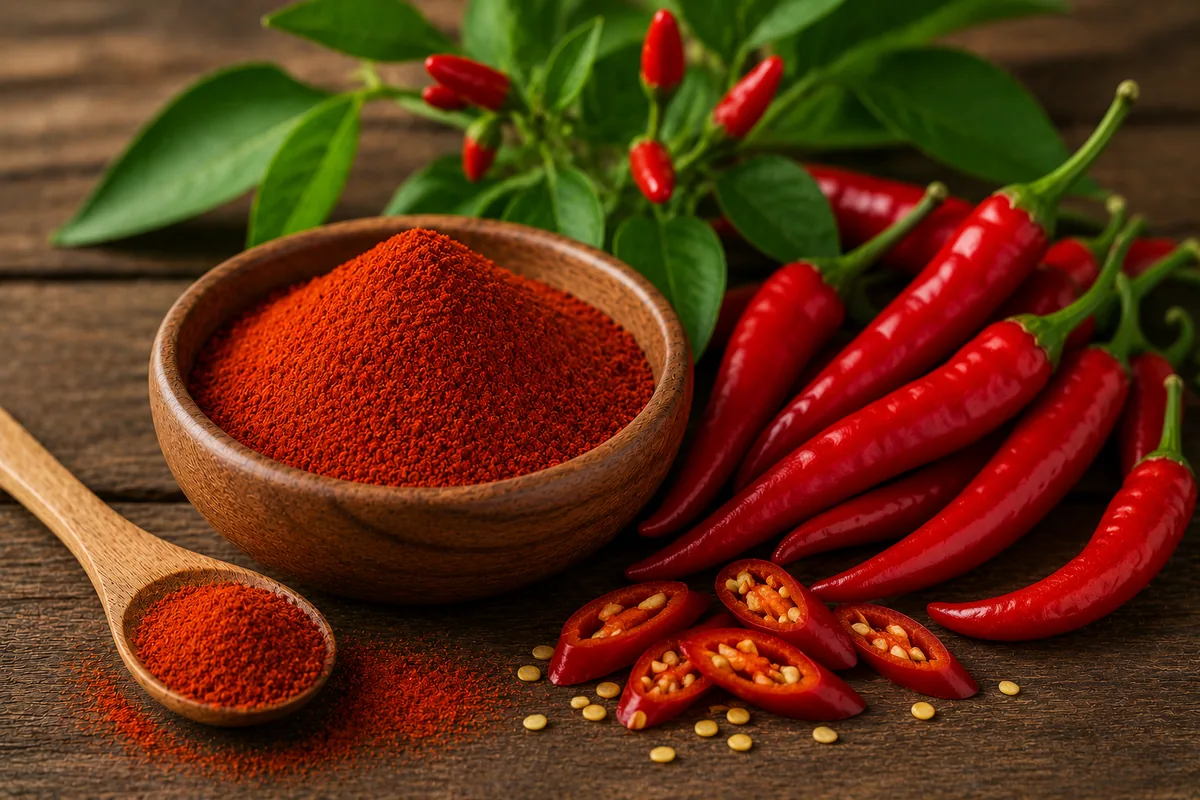
Cayenne Pepper Extract
What it is: A Capsicum-derived extract;
capsaicinoid standardization is not confirmed.
Research context: Capsicum preparations are
studied in circulation, metabolism and digestive contexts.
Important check: Oral cayenne can cause
digestive irritation in some people.
PubMed Capsicum literature search
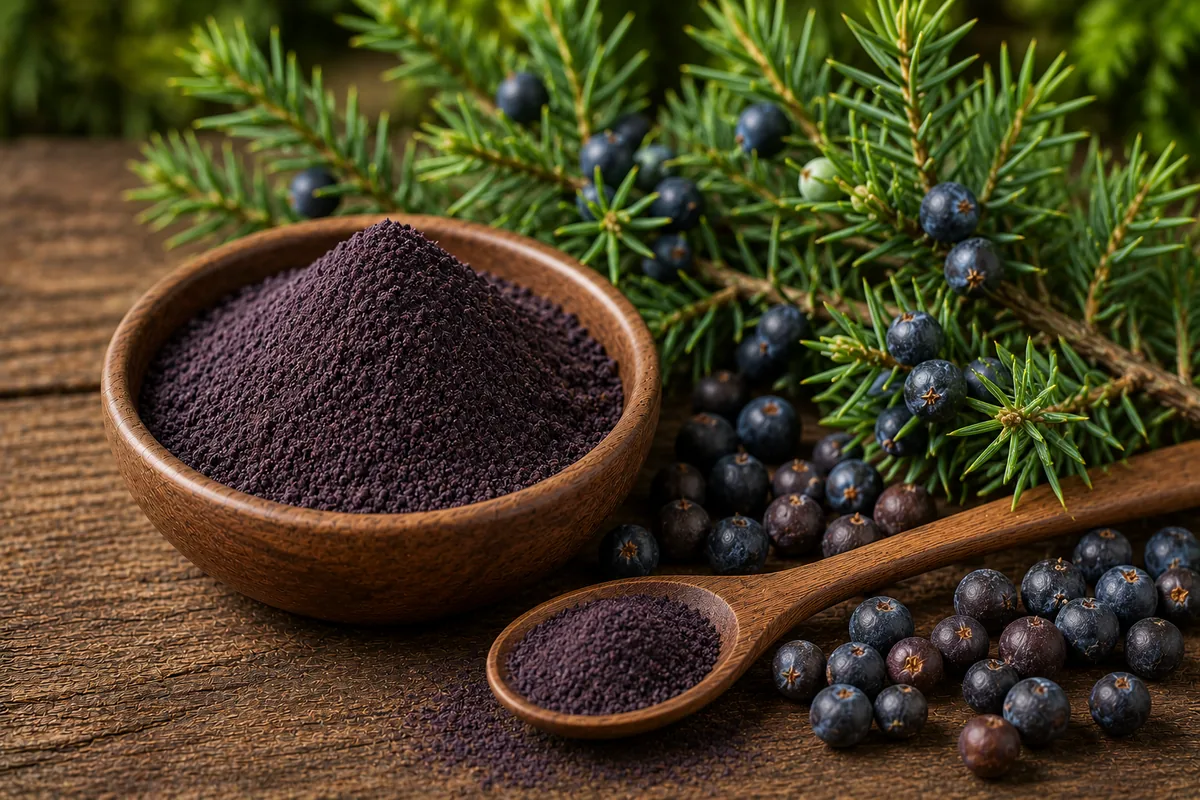
Juniper Berry Powder
What it is: Powder from juniper berries.
Research context: A traditional botanical
with limited human evidence for the product’s marketed support
roles.
Important check: Kidney conditions, pregnancy
and medication use should be discussed with a professional.
PubMed juniper literature search
L-Taurine
What it is: An amino-acid-related compound
naturally present in the body and foods.
Research context: Taurine has been studied in
cardiovascular and metabolic nutrition.
Important check: Research doses cannot be
mapped to ColestZen without a confirmed product amount.
PubMed taurine literature search
Alpha Lipoic Acid
What it is: A compound involved in cellular
energy processes and antioxidant systems.
Research context: Studied in metabolic and
neurologic settings; this does not establish a ColestZen
outcome.
Important check: Ask first when using
glucose-lowering medication or managing a glucose-related
condition.
PubMed alpha-lipoic-acid literature search
Vitamin C
What it is: An essential water-soluble
vitamin.
Nutritional role: Contributes to normal
collagen formation and antioxidant protection.
Important check: The form, amount and
percentage Daily Value in ColestZen are not publicly
confirmed.
NIH ODS vitamin C fact sheet
Vitamin E
What it is: A group of fat-soluble
antioxidant compounds.
Nutritional role: Contributes to protection
of cells from oxidative damage.
Important check: High supplemental intakes
can matter with anticoagulant or antiplatelet medication.
NIH ODS vitamin E fact sheet
Biotin
What it is: A water-soluble B vitamin.
Nutritional role: Functions as a cofactor in
normal fatty-acid, glucose and amino-acid metabolism.
Important check: Supplemental biotin can
cause falsely high or low results in certain laboratory tests.
NIH ODS biotin fact sheet
Magnesium
What it is: An essential mineral; the salt
form is not confirmed.
Nutritional role: Supports normal muscle,
nerve, energy and enzyme functions.
Important check: Elemental magnesium differs
by chemical form and can interact with some medicines.
NIH ODS magnesium fact sheet
Zinc
What it is: An essential trace mineral.
Nutritional role: Supports normal immune,
protein-synthesis and antioxidant functions.
Important check: Long-term high intake can
affect copper status; include other supplements when checking
totals.
NIH ODS zinc fact sheet
Manganese
What it is: An essential trace mineral.
Nutritional role: Participates in normal
metabolism and antioxidant enzyme activity.
Important check: The product amount is
unknown, so overlapping mineral supplements should be
reviewed.
NIH ODS manganese fact sheet
Chromium
What it is: An essential trace mineral; the
chemical form is not confirmed.
Nutritional role: Contributes to normal
macronutrient metabolism.
Important check: People using diabetes
medication should discuss supplemental chromium with a
qualified professional.
NIH ODS chromium fact sheet